
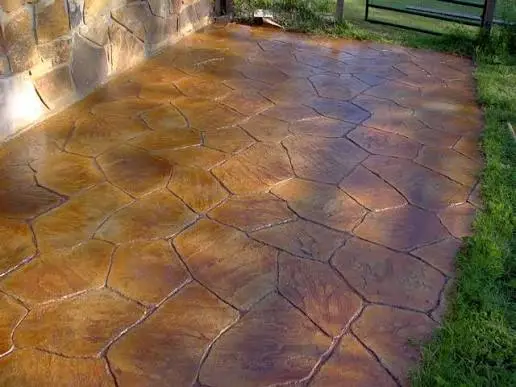
Stamped concrete looks stunning the day it is poured, but sun, rain, and heat start working on it right away. Colors turn chalky and patterns lose their crisp edges. Homeowners who want to protect stamped concrete need a simple routine, not constant repairs. JP Custom Concrete, serving Friendswood, TX, shares what works on Gulf Coast patios and driveways.
This guide explains why surfaces fade, how sealers work, and which cleaning habits keep the finish bright. You will also see how local weather affects outdoor slabs and when a professional touch makes sense. Every tip is practical and easy to follow, so you can start protecting your investment this weekend.
Why Does Stamped Concrete Lose Its Color Over Time?
Fading usually starts with ultraviolet light. UV rays break down the pigments near the surface, and the color softens year after year. Rain, pool chemicals, and foot traffic wear the top layer down further. Stamped concrete fading looks uneven because areas with more sun exposure lose color faster than shaded spots.
The coloring method matters too. Integral color is mixed through the whole slab, so it holds up longer. Color hardener and release agent sit near the top, so they depend more on a healthy sealer. When that sealer wears off, the pigment is exposed and starts to dull. Knowing which system you have helps you plan upkeep.
How Does Sealing Protect Stamped Concrete Best?
Reliable stamped concrete protection starts with a quality sealer. It blocks moisture, resists oil and grease stains, and filters UV exposure. Stamped concrete sealing also deepens the color and adds a subtle sheen. Skipping this layer is the quickest way to invite dull patches, staining, and surface wear. Most surfaces need this barrier from the first season.
Acrylic vs. Penetrating Sealers for Outdoor Slabs
Acrylic sealers form a film on top. They give a glossy or satin finish and strong color enhancement, which suits most decorative concrete patios. Penetrating sealers soak in and leave a natural look. They breathe well but offer less UV resistance. Many homeowners choose acrylic for patterns and color, then reapply on schedule.
How Often Should You Reseal Stamped Concrete?
Most outdoor stamped surfaces need a fresh coat every two to three years. Driveways and sunny patios may need it sooner. A simple water test helps: sprinkle water on the slab. If it beads, the sealer is working. If it soaks in and darkens the concrete, it is time to reseal.
What Weather Damage Should Texas Homeowners Watch For?
Our Gulf Coast climate is hard on outdoor slabs. Intense summer sun speeds up fading, while heavy rain and humidity push moisture into unsealed concrete. Stamped concrete weather damage often shows up as white haze, hairline cracks, and flaking sealer. Catching these signs early keeps small issues from becoming larger repairs.
Heat, Humidity, and Occasional Freezes
Concrete expands in heat and contracts as it cools. Repeated cycles stress the surface over time. Humidity can cause efflorescence, the chalky salt deposit that appears when moisture moves through the slab. Rare Texas freezes add risk, because trapped water expands as ice and can chip the surface. Good drainage reduces all three problems.
Drainage and Standing Water
Water that pools on a patio will find every weak spot. Check that the slab slopes away from the house and that gutters empty well beyond the edge. At JP Custom Concrete, we often see surface wear that traces back to a downspout dumping onto the slab. Redirecting it is a quick fix.
How to Maintain Stamped Concrete Week to Week
Routine cleaning matters more than most people expect. Sweep or use a leaf blower to remove grit, which scratches sealer like sandpaper. A soft-bristle broom works well on textured patterns. Rinse with a garden hose every few weeks. Consistent stamped concrete maintenance takes about fifteen minutes and removes the dirt that traps moisture and stains.
Safe Cleaning Products and Methods
Use a pH-neutral cleaner and a soft brush for deeper cleaning. Avoid harsh acids, bleach, and metal-bristle brushes, since they strip sealer and etch the surface. If you pressure wash, keep the pressure low and the nozzle moving. Too much force can lift sealer and damage the stamped texture. Always test a small corner first.
Handling Stains, Salt, and Winter Products
Wipe up oil, grease, and spilled drinks quickly, because they soak in fast. Skip rock salt and de-icers, which can cause scaling. Use sand for traction instead. Grills, planters, and furniture can leave marks as well, so place pads under heavy items and move them occasionally. A little attention here prevents permanent rings and discoloration.
Smart Habits That Protect Stamped Concrete Year Round
Small choices add up. Trim trees that drip sap, since sap and fallen leaves cause tannin stains. Use shade structures like pergolas to reduce direct sun on a patio. Walk the slab each spring and fall to catch problems early. These habits protect stamped concrete from daily wear and give the sealer more time between coats.
When Should You Call a Stamped Concrete Contractor?
Some jobs are best left to a pro. Deep fading, peeling sealer, widespread cracks, or sunken sections need proper evaluation. A local stamped concrete contractor in Friendswood, TX, like JP Custom Concrete, understands soil movement and Gulf Coast humidity, so repairs hold up. Early inspections also make resealing smoother and help the new coat bond correctly.
Signs Your Surface Needs Professional Resealing or Resurfacing
Color that looks dry and flat even after rinsing is a clear signal. Sticky or cloudy sealer, rough texture, and visible wear in walking paths also point to a worn coat. A pro will clean, repair, and recoat the surface properly. For heavily damaged slabs, concrete resurfacing can restore the look without full replacement.
Ready to Protect Your Patio or Driveway? Call JP Custom Concrete
A well-sealed slab lasts longer and looks better, but not every homeowner has the time or tools to handle it. Our team helps Friendswood, TX families keep outdoor surfaces in top shape. We handle concrete sealing services, concrete resurfacing, and concrete repair for patios and walkways.
If your color looks faded or your sealer is peeling, a quick inspection can show what the surface needs. Planning a new project? We also build stamped concrete patios and concrete driveways with the right base, color system, and sealer from the start. That gives you a finish designed to handle Texas weather.
Call JP Custom Concrete at +1 (713) 391-4567 or message us to schedule a visit. We serve Friendswood and surrounding areas. Tell us what you are seeing on your slab, and we will recommend the next step. A short call can save your surface from avoidable damage. Even a quick question is welcome.