
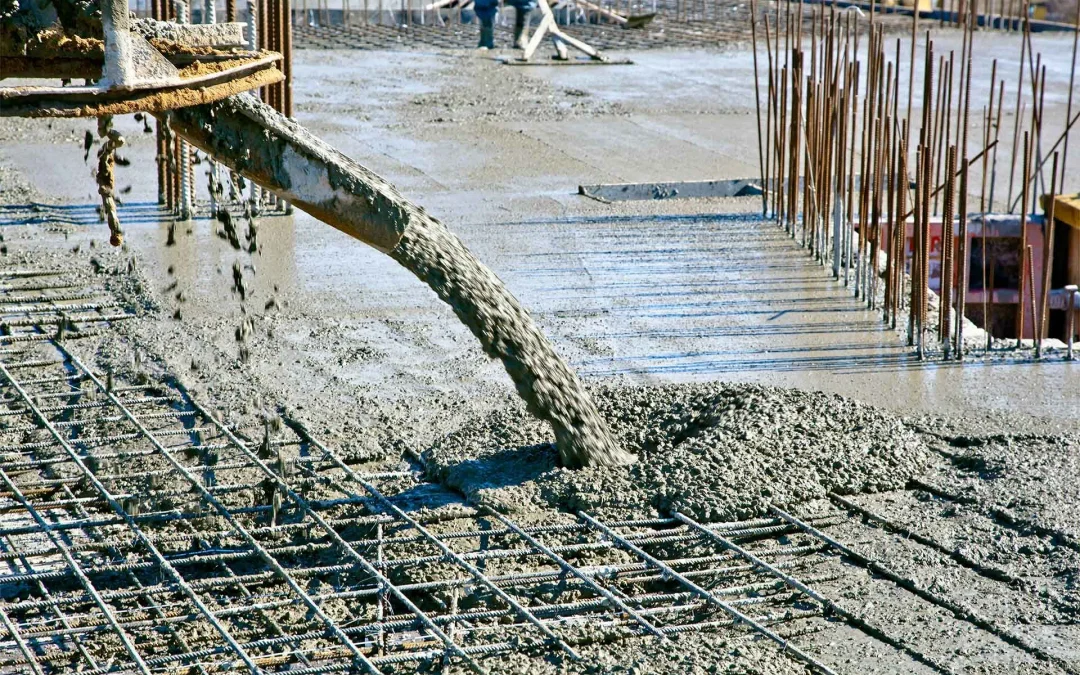
A concrete slab looks permanent, yet many homeowners watch cracks, sinking, and surface flaking appear within a few years. The cause is rarely the concrete itself. It is usually what happened before and during the pour. At JP Custom Concrete in Friendswood, TX, we see this pattern often, and most of it is preventable.
This article explains why professional concrete installation protects your investment. You will learn how site preparation, reinforcement, mixing, and curing affect the lifespan of a driveway, patio, or foundation slab, and what to look for when judging the quality of work on your property, before small problems turn into major repairs.
What Makes Professional Concrete Installation Different from DIY Work
Concrete is unforgiving. Once it is poured, there is a short window to level, finish, and cure it correctly. Experienced crews work within that window using proven timing, tools, and mix knowledge. A rushed or DIY pour often skips steps that look fine on day one and fail by year three.
The benefits of professional concrete installation show up in small details. Slopes drain water away from the house and off the slab. Control joints are placed where cracks will form anyway. The mix suits Texas weather. These choices are easy to overlook, but they decide how the slab performs for decades.
Concrete Foundation Preparation Starts Below the Surface
The ground under a slab matters more than the slab itself. Clay-heavy soil around Friendswood swells when wet and shrinks when dry. Crews grade the site, remove roots and organic material, and compact the subbase so the load spreads evenly. Skipping this step is the most common reason slabs settle, shift, and crack.
Surface work comes next. Concrete surface preparation includes setting forms accurately, laying a vapor barrier where needed, and dampening the subgrade so it does not pull water out of the mix. Each step helps the concrete cure evenly and bond properly, which keeps the finished surface from scaling, flaking, or dusting.
Concrete Reinforcement Techniques for Preventing Concrete Cracks
Concrete handles pressure well but cracks easily under tension. Steel rebar or welded wire mesh gives the slab internal strength and limits crack width. Placement is the key detail. Reinforcement sitting on the ground does nothing, so crews lift it on supports to hold it near the center of the slab’s thickness.
Joints work alongside reinforcement. Concrete shrinks as it cures, so some cracking is normal. Control joints cut at the right depth and spacing guide that cracking into straight, tidy lines. Without them, cracks wander across the surface. Expansion joints where the slab meets walls or other slabs let the concrete move with temperature changes.
The Concrete Installation Process: Mixing, Pouring, and Curing
A clear concrete installation process follows a set order: layout, forms, subbase, reinforcement, pour, finish, and cure. Each stage depends on the one before it. A mistake in layout or grading cannot be fixed by a good finish. This is why our crew at JP Custom Concrete plans each stage before any concrete is ordered.
Quality concrete work begins with the mix. High-quality concrete materials include clean aggregate, the correct cement content, and a mix rated for the load and climate. Adding extra water makes pouring easier but weakens the finished slab. Professionals resist that shortcut, because water ratio directly controls strength and surface hardness.
Curing is the quietest step and one of the most important. Fresh concrete needs moisture and moderate temperatures for several days to gain strength. Crews protect the surface with curing compound, wet coverings, or shade during hot Texas afternoons. Slabs that dry too fast often develop weak surfaces and fine cracks.
Concrete Installation Best Practices Homeowners Can Check
Proper concrete installation techniques are easy to spot if you know where to look. Check that forms are straight and braced before the pour. Ask how thick the slab will be and what base goes beneath it. Confirm the plan for joints and curing. A contractor who answers clearly usually works carefully.
Following concrete installation best practices also means respecting weather. Pouring in heavy rain, or just before a freeze, risks surface damage. In Friendswood, summer heat can make concrete set too fast. Good crews adjust the schedule, mix, or finishing method. JP Custom Concrete would rather reschedule a pour than gamble with the result.
Long-Term Concrete Maintenance Keeps a Good Slab Performing
Choosing Professional Concrete Contractors Who Build Slabs to Last
Reputable concrete contractor services include a site visit, a written scope, and clear answers about base preparation, reinforcement, and curing. Ask to see completed projects in your area. Check licensing and insurance. Local experience matters, because soil, drainage, and weather in Friendswood differ from other regions and affect how a slab ages.
Long-Lasting Concrete Solutions Start With the Right Build
Durable concrete installation treats a slab as a system: soil, base, steel, mix, finish, and care. Skipping one layer weakens all the others. Professional concrete installation protects each layer, which is how a driveway, patio, or garage floor keeps its strength and appearance for decades rather than a few seasons.
Ready to Build a Slab That Lasts? Call JP Custom Concrete
If you are planning a new driveway, patio, or slab in Friendswood, TX, the right preparation makes all the difference. Our crew builds concrete driveways and concrete patios with careful grading, proper reinforcement, and correct curing, so your project holds up through Texas heat, heavy rain, and shifting clay soil.
Already have a slab showing cracks, sinking, or surface wear? We also handle concrete repair, stamped concrete, concrete foundations, and concrete slabs for homes across Friendswood and nearby communities. A short site visit helps us see what is causing the problem and what it will take to correct it properly.
Call JP Custom Concrete at +1(713)391-4567 to talk through your project or schedule a visit. Tell us what you are building or what is going wrong, and we will give you straight answers and a clear plan, with no pressure. Your concrete should look good now and still perform years from now.
GET YOUR FREE ESTIMATE