
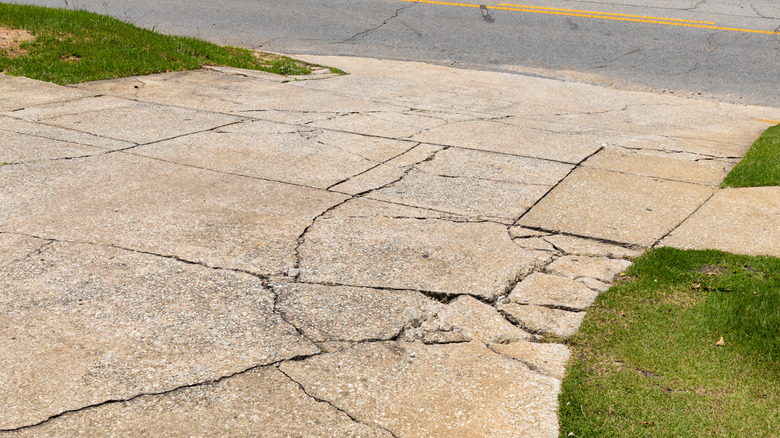
Your driveway is one of the first things people notice about your home. A damaged concrete driveway can quietly chip away at your property’s curb appeal and resale value, even if the rest of your house looks great. Knowing what to watch for helps you catch small issues before they turn into expensive repairs.
In this guide, we’ll walk through the most common driveway problems homeowners face, why they happen, and what they mean for your property’s long-term value.
Why Your Driveway Matters More Than You Think
A driveway covers a large visible section of your property, so its condition shapes first impressions before anyone reaches your front door. Appraisers and buyers often factor exterior wear into their valuation, treating a cracked or uneven surface as a sign of neglect elsewhere.
Beyond appearance, condition affects safety and daily function. Uneven surfaces create trip hazards, while poor drainage can lead to water damage near your foundation. These issues compound over time if left unaddressed.
Cracks That Signal Bigger Trouble Underneath
Driveway cracks are the most visible and common problem homeowners encounter. Not all cracks mean the same thing, and understanding the difference helps you judge how urgent a repair really is.
Hairline Cracks vs Structural Cracks
Hairline cracks are thin, surface-level lines that usually form from normal concrete curing or minor shifting. They’re cosmetic in most cases and don’t threaten the driveway’s integrity right away.
Structural cracks are wider, often exceeding a quarter inch, and may run deep into the slab. These often point to soil movement, poor base preparation, or water infiltration underneath, and they tend to worsen without concrete driveway repair.
Sinking or Uneven Concrete Sections
Sinking concrete happens when the soil beneath a slab erodes or compacts unevenly, leaving sections that dip or tilt. This is a common issue in areas with poor drainage or loose fill soil beneath the original pour.
An uneven driveway isn’t just a cosmetic concern. It creates tripping hazards, puts uneven stress on the remaining slab, and can accelerate cracking in nearby sections. Left unaddressed, concrete settling tends to spread rather than stay contained.
Surface Scaling and Spalling
Surface scaling appears as flaking or peeling on the top layer of concrete, often triggered by freeze-thaw cycles or the use of deicing salts. It changes the texture of the surface and gradually wears away protective layers.
Spalling concrete goes a step further, with larger chunks breaking away and exposing the aggregate underneath. Both forms of surface damage weaken the slab over time and make it more vulnerable to moisture penetration and further deterioration.
Water Pooling and Drainage Failures
Water pooling on driveway surfaces usually points to improper slope or settling that has disrupted the original grade. Standing water doesn’t just look bad, it seeps into small cracks and accelerates concrete erosion from the inside out.
Poor drainage also contributes to mold growth, staining, and ice buildup during colder months. Addressing these problems early prevents them from becoming larger structural issues tied to the foundation below.
Discoloration and Surface Wear
Driveway discoloration often results from oil stains, mineral deposits, or prolonged UV exposure breaking down the surface finish. While mostly aesthetic, uneven coloring can make a driveway look older and less maintained than it actually is.
General wear and tear accumulates from daily vehicle traffic, weather exposure, and time. Routine maintenance, including cleaning and sealing, helps slow this process and keeps the surface looking consistent.
Damaged or Missing Expansion Joints
Expansion joints allow concrete to shift slightly with temperature changes without cracking. When these joints crack, crumble, or go missing entirely, the slab loses its ability to handle natural expansion and contraction.
This often leads to stress cracks forming in unpredictable places across the slab. Replacing or resealing joints during a routine inspection helps maintain flexibility and reduces the risk of new damage forming nearby.
How Weather Speeds Up Driveway Deterioration
Freeze-thaw damage is one of the most aggressive causes of deterioration in regions with fluctuating temperatures. Water seeps into small cracks, freezes, expands, and gradually widens the gap with each cycle.
Heavy rain, intense heat, and prolonged sun exposure each contribute their own form of weather damage. Combined, these seasonal cycles shorten a driveway’s lifespan faster than daily wear alone, making regular checks worthwhile in areas with harsh climates.
Signs It’s Time for a Professional Inspection
Some issues are easy to spot, but others develop below the surface where they’re harder to notice. A professional concrete driveway inspection can identify early-stage structural damage before it becomes a full replacement job.
Watch for these warning signs between inspections. Cracks that widen after each season, sections that feel soft or spongy underfoot, and persistent water pooling all suggest the slab needs closer attention. Catching these early keeps repair costs lower and preserves your home value over time.
Protect Your Property Value With JP Custom Concrete
A damaged driveway sends the wrong message to buyers, neighbors, and anyone pulling into your property. If you’ve noticed cracks, sinking sections, or drainage problems on your own driveway, addressing them now is far simpler than waiting for the damage to spread.
JP Custom Concrete works with homeowners on concrete driveway repair, concrete resurfacing, and full concrete driveway replacement, along with driveway sealing and concrete leveling for slabs that have started to shift. Our team also handles routine concrete restoration for driveways showing early signs of wear, helping you avoid larger structural repairs down the road.
If your driveway is showing any of the problems covered in this guide, a quick inspection can tell you exactly where things stand. Call JP Custom Concrete at +1(713) 391-4567 to schedule a driveway assessment and get a clear plan for restoring your property’s curb appeal. We proudly serve homeowners across the greater Houston area and are ready to help you protect your home’s value for years to come.
GET YOUR FREE ESTIMATE