
A cracked slab rarely shows up on day one. It shows up after a wet spring, a heavy truck, or a few hot summers. At JP Custom Concrete in Pearland, TX, we see the same cause again and again: weak or missing support inside the pour. Concrete slab reinforcement is what prevents that.
This guide explains how a reinforced concrete slab handles load and stress, why concrete slab strength depends on more than thickness, and which methods suit a typical residential concrete slab. You will leave knowing what to ask your builder before the pour begins. Pearland’s clay soil makes these questions worth asking early.
What Does Reinforcement Actually Do Inside a Slab?
Concrete handles compression well but performs poorly under tension. When a slab bends or the soil beneath it shifts, the bottom face stretches and cracks open. Steel placed inside the pour picks up that tensile force. The concrete carries the weight, and the steel holds the slab together when it flexes.
That partnership is the core of steel reinforcement in concrete. The steel does not stop a crack from forming in every case. It keeps hairline cracks tight and prevents one side of a break from sinking below the other, which is where most trip hazards and structural problems begin in a home.
Why Concrete Slab Reinforcement Matters for Homes in Pearland
Pearland sits on expansive clay that swells when wet and shrinks when dry. That movement pushes and pulls on a slab throughout the year. Proper concrete slab reinforcement spreads those forces across a wider area, so one weak spot does not turn into a long, open crack across your garage or patio.
Homeowners in the Houston area often notice the damage first as sticking doors, uneven floors, or gaps along garage walls. Those signs point to differential movement under the slab. A reinforced concrete slab resists that movement better than plain concrete, which protects both the slab and the framing that sits on top of it.
Benefits of Reinforcing Residential Concrete Slabs
The biggest gain is crack control. Steel limits crack width, keeps the surface level, and slows water from reaching the subgrade. Reinforcement also improves load distribution, so a parked truck, a heavy appliance, or a hot tub pad puts less strain on any single spot. Those concrete slab reinforcement benefits add up over decades.
Durability improves too. A slab that stays intact holds up against moisture, temperature swings, and surface spalling for longer than one that has opened up. Better concrete slab durability means fewer repairs, less upkeep, and a stable base for flooring, walls, and everything built on top of it for years to come.
Rebar vs Wire Mesh: Common Concrete Reinforcement Methods
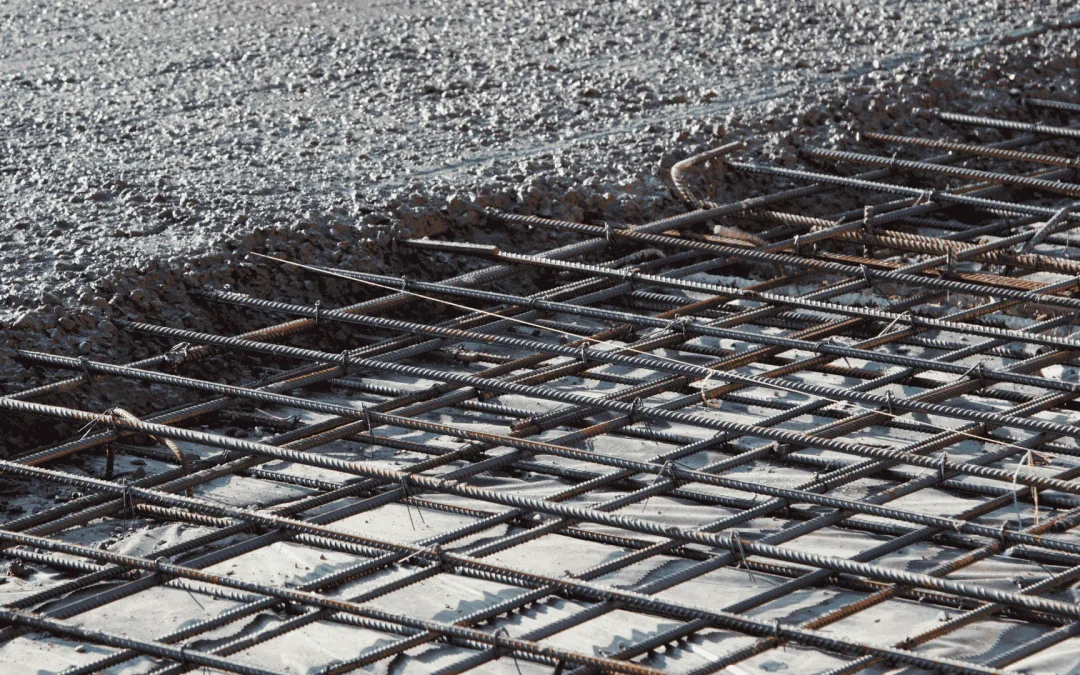
Rebar and welded wire mesh are the two most common concrete reinforcement methods in homes. Rebar consists of ribbed steel bars tied into a grid. It suits thicker slabs, footings, and areas that carry heavier loads. Concrete rebar installation requires correct spacing, tie wire, and enough cover so the steel never touches the soil.
Concrete wire mesh reinforcement uses welded steel sheets that are lighter and faster to place. It works well for patios, sidewalks, and lighter residential slabs. Mesh only works when it sits in the middle or upper third of the pour. Mesh left on the ground does almost nothing once the concrete goes down.
Fiber reinforcement is a third option. Synthetic or steel fibers mixed into the concrete help control small shrinkage cracks as the slab cures. Many builders pair fibers with rebar or mesh rather than replacing them, since fibers alone do not carry structural loads in most residential slabs, especially under vehicle loads.
How Professionals Place Steel During Concrete Slab Installation
Good concrete slab installation starts below the steel. The crew grades the soil, compacts a gravel base, and lays a vapor barrier before any reinforcement goes in. Skipping that prep forces the steel to compensate for a poor foundation, and no amount of rebar fully fixes a soft or uneven subgrade.
At JP Custom Concrete, the layout comes next. Bars are spaced on a grid, tied at each intersection, and lifted on chairs so they sit at the right height inside the slab. Proper concrete cover keeps moisture away from the steel and prevents rust that can swell and crack the surface from within.
Signs a Slab Was Poured Without Proper Reinforcement
Wide cracks, uneven surfaces, and sections that sit higher or lower than their neighbors can signal missing steel. Cracks wider than a quarter inch, or cracks that keep growing, deserve attention. Hairline cracks are normal in any slab. Open cracks that let one side drop are a different problem and worth a professional look.
Preventing concrete slab cracks with reinforcement works best when it is planned before the pour, not after. Control joints, correct curing, and proper drainage around the home work alongside the steel. Cracks that keep appearing after those steps are in place usually trace back to soil movement or moisture, not the concrete itself.
Ready to Plan a Slab That Holds Up? Talk to JP Custom Concrete
Planning a new slab or worried about cracks in an existing one? JP Custom Concrete serves homeowners across Pearland, TX and surrounding areas. Our team will look at your site, your soil, and your plans, then explain what reinforcement your project needs in plain language. We handle residential slab projects of every size, from small patios to full home foundations.
A short conversation before the pour can prevent years of repairs. If your slab already shows wide cracks, uneven sections, or settling near the garage or patio, we can help you understand what is happening and what to do about it. Catching a problem early keeps repairs smaller and simpler.
Call JP Custom Concrete at +1(713)391-4567 to schedule a visit. Tell us about your project, ask your questions, and get a clear plan for a slab that stays strong for decades. We are happy to answer questions and walk you through the options.
Frequently Asked Questions About Concrete Slab Reinforcement
Why is concrete slab reinforcement important for a home?
Concrete resists compression well but cracks easily under tension. Steel placed inside the slab picks up that tensile force, keeps cracks tight, and spreads weight across a wider area. This helps the slab stay level and intact, which protects the floors, walls, and framing built on top of it.
Does every residential slab need rebar or wire mesh?
Most residential slabs benefit from some form of steel. Rebar suits foundations, footings, and heavier loads, while wire mesh works for lighter slabs like patios and sidewalks. The right choice depends on slab thickness, soil conditions, and local building requirements, so confirm the plan with your contractor before the pour.
Can reinforcement stop concrete from cracking completely?
No. Reinforcement controls cracks rather than removing them. It keeps hairline cracks narrow and stops one section from sinking below another. Control joints, proper curing, good drainage, and a well-compacted base all work alongside the steel to reduce cracking across the slab.
Where should wire mesh sit inside a slab?
Wire mesh belongs in the middle or upper third of the slab’s thickness. Mesh left on the ground does very little once the concrete is placed. Crews use small supports called chairs to hold the mesh at the correct height while the concrete is poured and finished.
How long does a reinforced concrete slab last?
A well-built reinforced slab can last several decades. Lifespan depends on the concrete mix, steel placement, site preparation, drainage, and how much the soil moves over time. Regular sealing of joints and keeping water away from the edges also helps the slab hold up longer.
Which slab cracks are normal, and which ones need attention?
Hairline cracks are common as concrete cures and shrinks. Cracks wider than a quarter inch, cracks that keep growing, or sections sitting at different heights deserve a professional inspection. Those signs usually point to soil movement, moisture problems, or steel that was missing or placed incorrectly.
Do Pearland, TX homes need special slab reinforcement?
Local soil plays a big role. Pearland’s expansive clay swells when wet and shrinks when dry, which puts constant stress on a slab. Homes in this area often need an engineered design with correct steel layout and spacing. Ask your contractor to follow local code and any engineered plans for your property.
Can reinforcement be added to an existing slab?
Steel has to be placed before the concrete is poured, so it cannot be added inside a finished slab. If your current slab has wide cracks or uneven sections, a professional can inspect it and recommend repair, leveling, or replacement based on its condition and the cause of the damage.