
Concrete is one of the most durable building materials used in residential construction – yet cracks still show up on driveways, walkways, and patios across the country. If you have noticed lines forming across your slab, you are not alone, and the cause is almost never random. Understanding what drives concrete cracks is the first step toward protecting your property from long-term damage.

The Hidden Causes Behind Concrete Cracks

Not all cracks look the same, and that is because they do not all start the same way. The cause behind a crack determines how serious it is, how fast it spreads, and what kind of concrete repair will actually fix it. Knowing the difference saves homeowners from guessing and spending money on the wrong solution.
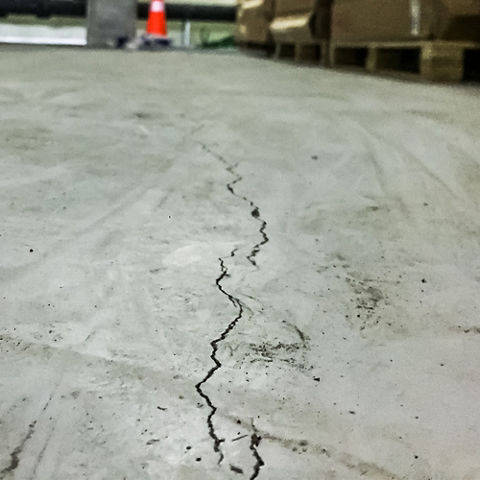
Concrete cracks

Shrinkage During the Curing Process

Fresh concrete contains a large amount of water mixed into the paste. As that water evaporates during curing, the slab slowly shrinks. That shrinkage creates internal tension, and when the tension exceeds the strength of the material, cracked concrete is the result.

This is one of the most predictable causes of residential concrete issues. Contractors reduce this risk by placing control joints in the slab at calculated intervals. These joints give the concrete a designed place to crack so the fracture stays hidden and controlled, rather than running across the visible surface.

Soil Movement and Ground Settling

The ground beneath a concrete slab is never perfectly stable. Soil shifts with moisture changes, temperature swings, and the weight placed on top of it. When the soil settles unevenly or washes away in certain spots, sections of the slab lose their support and begin to move independently.

That movement puts stress on the slab from below. Over time, the stress causes concrete cracks that can run diagonally, horizontally, or straight across the surface. Tree roots, poor drainage, and inadequate base preparation are common contributors to this type of settling damage.

How Weather and Temperature Affect Concrete Durability

Freeze-thaw cycles are among the harshest conditions residential concrete faces in colder climates. Water seeps into the small pores inside the slab and then freezes. When water freezes, it expands by roughly 9 percent. That expansion pushes against the interior of the concrete repeatedly, season after season, gradually breaking it apart from the inside.

In hotter climates, extreme heat causes concrete to expand. When that expansion has nowhere to go – because the slab is bordered by structures or edges – pressure builds up internally. Concrete durability depends heavily on proper spacing, joint placement, and the use of air-entrained mixtures that are specifically designed to handle these repeated cycles without cracking.

Applying a quality concrete sealer before winter or dry summer months adds a protective layer that reduces moisture absorption and extends the life of the slab considerably.

Warning Signs That Indicate Concrete Damage Is Getting Worse

Small surface lines and wide structural fractures are very different problems, but many homeowners treat them the same way. Recognizing which type of concrete damage you are dealing with helps you act at the right time – before the cost of fixing it grows significantly.

Hairline cracks on the surface are common after curing and are often cosmetic. However, if you notice cracks that are wider than a quarter inch, cracks that run all the way through the slab, or areas where one section has shifted higher than the adjacent piece, those are signs of a more serious structural issue. Pooling water near or on the slab is another indicator that the surface grade has changed and that settling may be occurring below.

Practical Steps for Preventing Concrete Cracks at Home

Concrete crack prevention is far less expensive than concrete repair, and most of the best practices are straightforward to maintain once you know what to look for.

Keeping water away from the base of your slab is one of the most effective protective measures. Make sure gutters direct water away from concrete surfaces, and that the soil around your driveway or patio slopes slightly away from the slab. Standing water softens the soil underneath over time and accelerates settling.

Sealing your concrete every two to three years blocks moisture from penetrating the surface, which reduces the risk of freeze-thaw damage and staining. Use a penetrating sealer for driveways and a topical sealer for decorative or stamped concrete surfaces. Avoid using rock salt or harsh chemical de-icers during winter, as these break down the surface layer and increase porosity.

Avoid parking very heavy equipment or vehicles on residential concrete slabs that were not designed for that load. Residential concrete is typically poured at a thickness of four inches, which handles standard vehicle weight well but can develop stress fractures under repeated heavy loads.

When Concrete Repair Makes More Sense Than Replacement

Not every crack requires a full slab replacement. Many homeowners assume the worst when they see cracked concrete spreading across their driveway or patio, but surface-level damage can often be addressed through targeted repair methods.

Narrow cracks can be filled with a flexible polyurethane or epoxy filler that bonds to the edges and prevents water from entering. For larger voids or sunken sections, slab lifting – sometimes called mudjacking or polyurethane foam lifting – can restore the grade without removing the existing concrete.

Replacement makes more sense when the slab has multiple deep cracks that cross each other, when sections have shifted significantly, or when the concrete is reaching the end of its expected service life of 25 to 50 years. A professional assessment of the damage helps clarify which path is the better investment for your specific situation.

CONCLUSION

Concrete cracks are a natural consequence of the forces concrete faces every day – moisture, temperature swings, soil movement, and the weight of regular use. But understanding those forces gives homeowners real leverage. Regular sealing, proper drainage, and knowing when to call in a professional for concrete repair are the three habits that keep residential concrete looking clean and performing well for decades.

If you are dealing with new cracks or want to get ahead of potential damage, contact JP Custom Concrete for an honest assessment of your slab and a clear recommendation tailored to your property.

FAQ

What causes concrete to crack shortly after it is poured?

Cracks that appear within the first few days after a pour are almost always caused by shrinkage during the curing process. If the concrete dries too fast due to heat, wind, or low humidity, the surface shrinks faster than the interior, creating tension that results in early cracking.

Can I prevent concrete cracks entirely?

No concrete slab is guaranteed to stay crack-free forever, but proper installation, control joints, adequate base preparation, and regular sealing dramatically reduce the risk. Concrete crack prevention is about managing the conditions that lead to cracking, not eliminating them entirely.

How do I know if a crack in my driveway is serious?

Width and displacement are the two key indicators. Cracks wider than a quarter inch or sections that have shifted vertically out of alignment typically signal a structural issue rather than simple surface wear. A concrete professional can evaluate whether repair or replacement is the better option.

GET YOUR FREE ESTIMATE